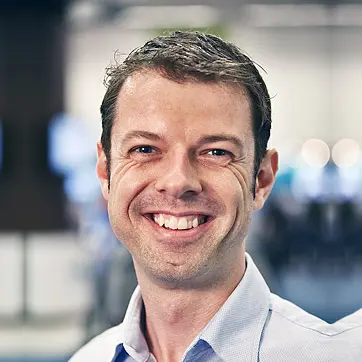
Frederick Vallaeys co-founded Optmyzr in 2013 to give search marketers the tools they needed to make managing pay-per-click (PPC) accounts quick and simple. A former Google executive and one of the tech giant’s first 500 employees, Fred spent close to 10 years managing and evangelizing for the AdWords (now Google Ads) product, and is best remembered for his work on Quality Score.
Fred is also an accomplished author and speaker on PPC account management, automation, and scripts — having spoken at high-profile events like SMX Advanced and Hero Conf and having published Unlevel the Playing Field: The Biggest Mindshift in PPC History in 2022 and Digital Marketing in an AI World: Futureproofing Your PPC Agency in 2019.
He is also the host of Optmyzr’s PPC Town Hall, a live video podcast that empowers paid search professionals with the latest insight about search channels and marketing tools. He was recognized as 2018’s SEM Contributor of the Year by Search Engine Land, top 10 on PPC Hero’s definitive industry ranking of the most influential PPC experts of 2021, and Search Marketer of the Year for 2021 by Search Engine Land.