

Most advertisers set a target ACoS and have a clear idea of what “good” should look like on paper. That is, until performance starts to shift.
Actual ACoS begins to drift, sometimes gradually, sometimes all at once. Campaigns that were profitable last month stop holding their margin. A few keywords start to overspend, placement costs rise, and conversion rates dip.
The frustrating part is that the cause isn’t obvious. There’s no single switch to point to—just a series of small changes that add up.
Most teams react the same way. They pull reports, adjust bids, pause a few targets, and try to recover efficiency.
By that point, they’re already behind.
The issue isn’t the target itself. It’s what happens after campaigns go live.
Amazon doesn’t maintain your profitability target. It responds to auctions, competition, and shopper behavior.
In this article, we’ll look at:
- Why ACoS drifts
- Why native controls fall short
- And how to build a system that keeps campaigns aligned to your target
Why Amazon campaigns drift off target (even when strategy is sound)
Even with a clear strategy and defined targets, Amazon campaigns don’t stay stable for long. ACoS drift usually isn’t the result of one bad decision. It comes from how the platform works and how many moving parts shift at once.
1. Amazon optimizes for auctions, not your margin
Amazon tries to win auctions and drive activity. It does not try to hit your ACoS target.
Your campaigns respond to competition and shopper behavior. If bids need to rise to stay competitive, they will—whether or not that hurts your margin.
That gap shows up as drift.
2. Market dynamics don’t stay still
Campaign performance moves constantly. Costs rise, conversion rates change, and demand shifts.
CPCs increase as more competitors enter auctions or push bids higher. Conversion rates move with seasonality, inventory, pricing, and listing quality. Search demand follows trends, sometimes faster than expected.
These changes don’t happen one at a time. A small CPC increase plus a slight conversion drop is enough to push ACoS past the target.
Because the shift is gradual, most teams don’t notice it right away.
3. Budget pacing and placement mix skew results
Where your budget goes matters as much as how much you spend.
If a campaign runs out early, it misses better traffic later in the day. Spend can also shift toward expensive placements without clear signals at keyword level.
You still get clicks. You may still get sales. But efficiency drops.
4. Manual updates lag behind reality
Most teams manage campaigns in intervals. They review reports, make adjustments, and come back later.
By then, the data has already moved.
Changes happen after the drift, not during it.
That creates a loop: teams react to past performance instead of shaping what happens next.
Why target ACoS doesn’t actually control performance
Most advertisers treat target ACoS as something that should guide performance on its own. Once it’s set, the assumption is that campaigns will stay close to it with a few adjustments along the way.
That’s not how it plays out.
A target ACoS is a goal, not a system
It sets direction and defines what “good” looks like. But by itself, it has no effect on how campaigns behave.
It won’t adjust bids, reallocate spend, or step in when performance slips.
Without a system behind it, target ACoS is just a reference point. It helps you judge results, but it doesn’t control them.
Why Amazon’s bidding strategies don’t enforce profitability
Amazon offers a few bidding options, and each serves a purpose. None of them are built to hold a specific ACoS.
Fixed bidding = control, but no adaptability
You set the bid, and it stays the same in every auction. That gives you consistency, but it doesn’t respond when conversion rates or competition change. If performance shifts, ACoS moves while your bids stay put.
Dynamic bidding = adaptability, but no guardrails
Amazon adjusts bids based on the likelihood of a conversion. This can unlock more volume, but it isn’t tied to your margin. In competitive auctions, bids often rise in ways that push ACoS higher.
Rule-based bidding = closer, but still limited
Rule-based approaches let you define conditions, such as adjusting bids based on ACoS or conversion rate. This is the closest you get to linking actions to your target. But inside Amazon’s native tools, these rules are limited and inconsistent at scale.
Why experienced advertisers don’t trust “set and forget” automation
Experienced teams don’t rely on fully hands-off automation for a reason.
Too many variables influence performance—competition, inventory, pricing, search behavior—and most automation reacts to surface signals without context.
So teams stay involved. They review performance, question changes, and adjust based on what’s actually driving results.
What’s missing is a system that turns targets into consistent actions.
Until you have that, target ACoS stays exactly what it is: a goal you aim for, not something your campaigns reliably hit.
What a real target ACoS strategy looks like
A target ACoS only becomes useful when it drives clear actions.
Start simple.
Set a target based on actual profitability. Not every campaign should use the same number.
Define an acceptable range. ACoS will move—decide how far is too far.
Then decide what happens next:
- Above range → lower bids
- Below target (with stable conversion) → raise bids slowly
Don’t decide this every time you check a report. Define it once.
Now add context. A rising ACoS with steady conversion rates usually means CPCs increased. A rising ACoS with falling conversions points to a deeper issue. Treat them differently.
A working strategy turns performance into predictable actions.
The four levers that actually keep ACoS in control
Once you’ve defined your target and the actions tied to it, the next step is making sure those actions actually happen. This is where most strategies break down.
These are the four levers that make a difference.
1. Bid control
Bid control is the most direct way to influence ACoS.
When ACoS starts rising, costs need to come down. When performance is efficient, there’s room to scale. The only way to do that is by adjusting bids. But the key is not making occasional changes. It’s making them consistently.
Most advertisers adjust bids after reviewing reports. That creates a lag. By the time changes are made, spend has already drifted. And because performance keeps changing, one-time updates don’t hold for long.
This is where rule-based bid adjustments tied to ACoS become critical.
Instead of reacting manually, you define what should happen in advance. For example, reduce bids when ACoS crosses a certain threshold, and increase them when performance is below target and stable. These rules are then applied regularly, so campaigns are continuously nudged back toward the target.
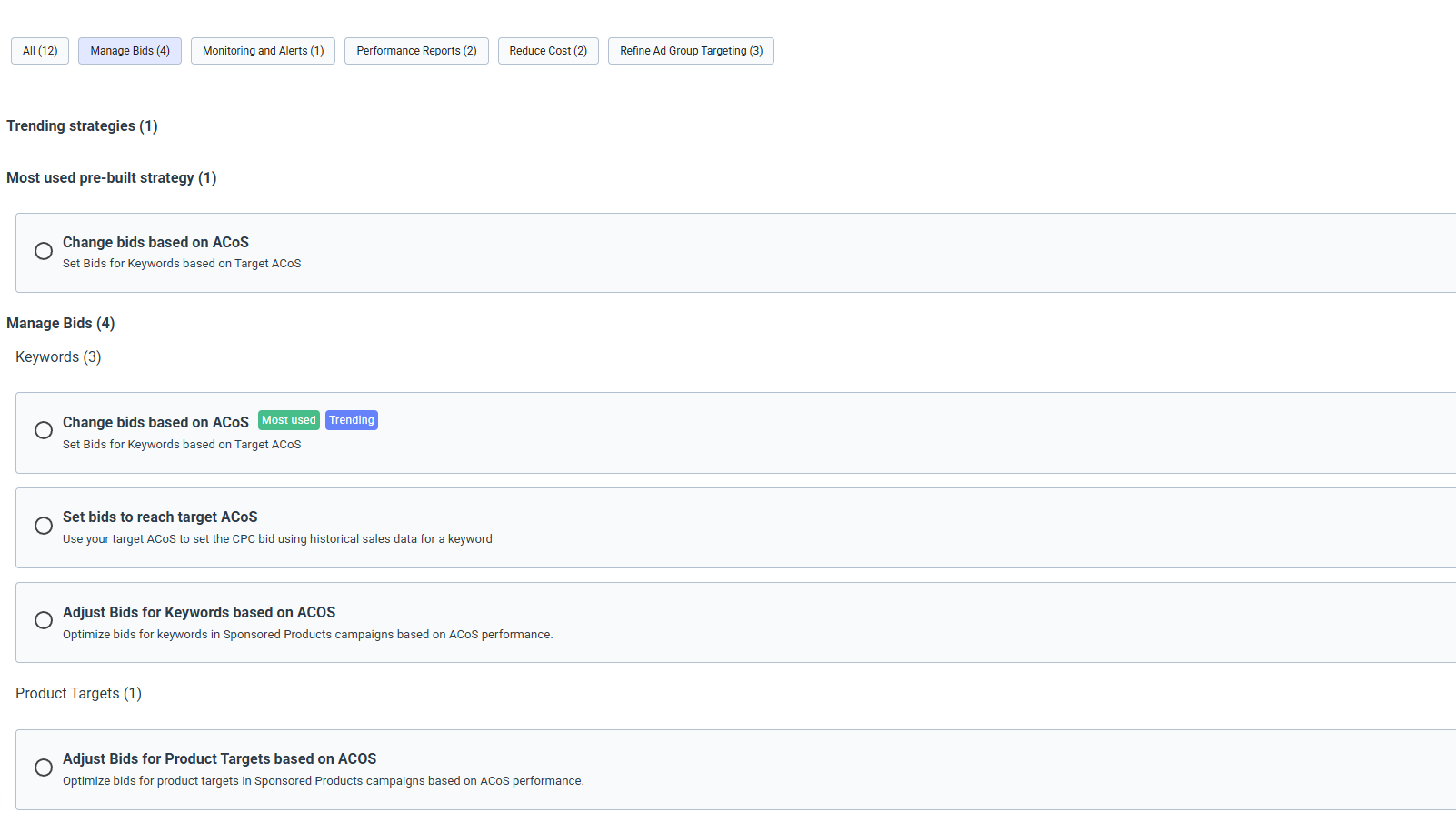
With Optmyzr, this can be implemented using rule-based strategies like adjusting bids for keywords or product targets based on ACoS, or setting bids to align with a target ACoS using historical performance data. These rules can be applied across campaigns in bulk, so you are not making individual bid changes manually.
The result is a system where bids are not just updated occasionally, but are continuously adjusted based on how performance is tracking against your target.
Over time, this consistency is what keeps ACoS from drifting too far off track, even as market conditions change.
2. Placement-level adjustments
Not all clicks behave the same, and a big part of that comes down to placement.
Top of Search, Rest of Search, and product pages each have very different cost and conversion patterns. Top of Search often drives higher visibility and conversions, but at a higher CPC. Rest of Search can be more efficient, but performance varies depending on the product and competition.
When advertisers only adjust base bids, they miss this layer completely. Spend can quietly shift toward more expensive placements, pushing ACoS up without any obvious change at the keyword level.
That’s why placement-level control matters.
Advertisers who actively manage placement-level bids often see more stable ACoS because they’re controlling where spend goes, not just how much.
In practice, this means adjusting bids at the placement level based on performance. For example, lowering bids for placements that consistently drive higher ACoS, while maintaining or increasing bids where conversion rates are stronger.
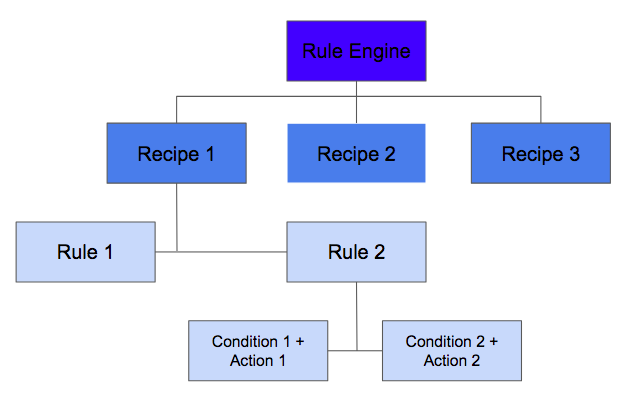
This is where having the ability to work at the campaign placement level becomes important. Using Optmyzr’s Rule Engine, you can define rules specifically for Top of Search, Rest of Search, or product pages, and adjust bids based on how each placement is performing. This allows you to apply consistent placement-level logic across campaigns instead of relying on manual checks.
At the same time, tools like PPC Investigator help identify whether changes in ACoS are being driven by placement shifts rather than keyword performance. That clarity makes it easier to fix the right problem.
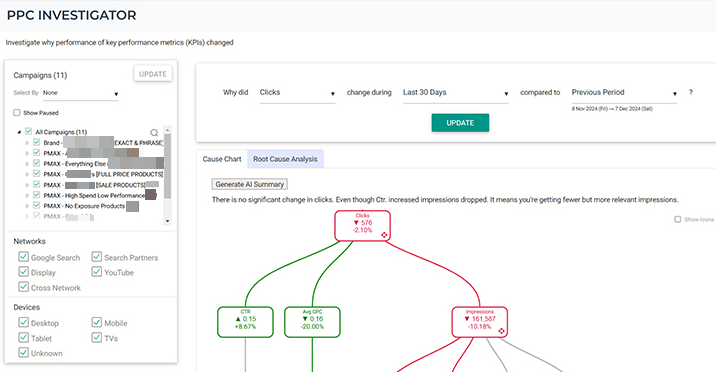
When placement is managed actively, ACoS becomes more predictable because spend is being directed toward the parts of the auction that actually perform.
3. Scheduled adjustments
Even with the right rules in place, ACoS will still drift if those rules are not applied consistently.
Most teams review campaigns once a week, sometimes less. That creates a gap between when performance shifts and when action is taken. During that gap, inefficient spend continues and small issues turn into larger ones.
The biggest gap isn’t knowing what to do. It’s doing it consistently.
Scheduled enforcement solves this by making sure your bid logic runs at a fixed cadence.
In Optmyzr, once you define your ACoS-based rules in the Rule Engine, you can automate those strategies to run daily, weekly, or monthly. Each run evaluates performance based on the conditions you’ve set and either applies changes automatically or surfaces suggestions for review.
This removes the need to manually check every campaign before making adjustments. Instead of reacting after performance has drifted, changes happen on a regular schedule based on your defined logic.
The Automation Schedules view then gives you visibility into all running automations. You can see which strategies are active, when they last ran, and update schedules in bulk if needed. This makes it easier to ensure nothing is missed and that your enforcement system is actually running as expected.
Over time, this consistency reduces the lag between drift and correction. Campaigns are adjusted in smaller, more frequent steps, which keeps ACoS closer to target without large swings or reactive fixes.
4. Alerts and deviation monitoring
Not every change in ACoS should trigger an automatic adjustment.
Some shifts need a closer look. A sudden spike in ACoS could be caused by a drop in conversion rate, a change in competition, or even an issue with inventory or pricing. Automatically lowering bids in every case can sometimes make things worse.
That’s why detecting drift early is just as important as correcting it.
Instead of waiting for weekly reports, it helps to define what counts as a meaningful deviation and get notified when it happens. For example, if ACoS crosses a certain threshold or moves sharply over a short period, that’s a signal to investigate.
In Optmyzr, this can be done using account or campaign-level alerts. You can set up alerts for ACoS and other key metrics, so you’re notified when performance moves outside your defined range. This gives you visibility into changes as they happen, without constantly monitoring dashboards.
The goal is not to automate every response. It is to automate the predictable adjustments, while using alerts to flag situations that need human judgment.
This combination helps you catch issues early, respond faster, and avoid making blind corrections that ignore the bigger picture.
A simple framework to enforce target ACoS (without losing control)
Enforcing target ACoS comes down to a few clear steps. The goal is not to build a complex system, but to create something simple that runs consistently.
- Start by defining your target ACoS at the campaign level. Not every campaign should follow the same number. Separate campaigns based on their goal, whether that is profitability, growth, or visibility, and assign targets accordingly.
- Next, decide how much deviation is acceptable. Campaigns will fluctuate, but you need a clear point where action is triggered. This could be a percentage range above or below your target.
- Once that is defined, create your bid adjustment logic. If ACoS moves above the acceptable range, reduce bids. If it is below target and performance is stable, increase bids gradually. Keep these adjustments small and consistent so you avoid overcorrecting.
- Then layer in placement-level control. Review how different placements are performing and adjust bids to favor the ones that are more efficient. This helps direct spend toward better-performing traffic instead of treating all clicks the same.
- After that, schedule execution. This is what turns your strategy into something that actually works. Running these adjustments on a regular cadence reduces the gap between drift and correction.
- Finally, set up alerts to monitor deviations. Not every situation should be handled automatically. Alerts help you catch unexpected changes early so you can step in when needed.
Platforms like Optmyzr bring all of this together by letting you define ACoS-based bid rules, apply placement-level adjustments, schedule those changes to run automatically, and set up alerts to monitor performance. The advantage is not just automation, but having a system where your strategy is applied consistently without losing visibility or control.
Things to keep in mind
If ACoS keeps drifting, it’s usually not because the strategy is wrong. It’s because of how it’s being executed.
Here are a few habits that hold campaigns back.
Treating ACoS as self-correcting
Setting a target does not mean campaigns will stay there. ACoS does not stabilize on its own. Without defined actions behind it, it will keep moving.
Following Amazon’s suggestions blindly
Suggested bids and budgets are designed to keep you competitive in auctions, not profitable. They can be useful as inputs, but they should not override your own targets and logic.
Applying one strategy across all campaigns
Not every campaign has the same goal. Applying the same ACoS target or bid logic across everything ignores how different campaigns are meant to perform. This leads to either overspending or missed opportunities.
Waiting for reports instead of enforcing rules
Looking at performance after the fact is not enough. By the time you review reports, the drift has already happened. What matters is having rules in place that act as performance changes, not after.
Choosing between manual and automation
This is not an either-or decision. Manual control without systems does not scale. Automation without control leads to poor decisions. The real advantage comes from combining both, using automation to execute repeatable actions and stepping in manually when context matters.
The advertisers who stay close to their target ACoS are not doing more work. They are just more consistent in how they apply it.
ACoS control comes from systems, not targets
ACoS drift is not random. It’s predictable.
Campaigns respond to auctions, competition, and changing performance signals. Without a system in place, they will move away from your target over time. That’s not a failure of strategy. It’s the natural outcome of how Amazon works.
Control doesn’t come from setting better targets. It comes from enforcing them.
The advertisers who stay close to their ACoS goals are not constantly reacting to reports. They have a system that adjusts bids, manages placements, and responds to changes as they happen.
The winning approach is simple:
Strategy to define the goal.
Rules to translate that goal into action.
Consistency to make sure those actions actually happen.
When those three pieces come together, ACoS stops feeling unpredictable and starts becoming something you can control.
If you’re looking to put this into practice, you can try Optmyzr free for 14 days and start building a system that keeps your campaigns aligned without constant manual work.